


Could You Have Keratoconus Without Knowing It?
Blog:Could You Have Keratoconus Without Knowing It?

Could You Have Keratoconus Without Knowing It?
Most people assume that blurry vision simply means they need a stronger glasses prescription. But in some cases, changes in vision may signal an underlying eye condition called keratoconus. Because it often develops gradually and without pain, many people live with keratoconus for years before receiving a proper diagnosis. Understanding the signs and risks can help protect your long-term eye health.
What Is Keratoconus?
Keratoconus is a progressive eye condition that affects the cornea. In a healthy eye, the cornea maintains a round shape, helping focus light clearly onto the retina. With keratoconus, the cornea gradually thins and bulges outward into a cone-like shape.
This irregular shape prevents light from focusing properly, leading to distorted or blurred vision. The condition often begins in the teenage years or early adulthood and may progress for 10 to 20 years before stabilizing.
Why Keratoconus Often Goes Undetected
One reason keratoconus can go unnoticed is that its early symptoms closely resemble common refractive errors like nearsightedness or astigmatism. Many patients simply assume their prescription has changed.
Early signs may include:
• Frequent changes in glasses or contact lens prescriptions
• Increasing astigmatism
• Blurred or distorted vision
• Sensitivity to light
• Glare or halos around lights at night
Because these symptoms overlap with more routine vision problems, keratoconus may not be identified without a comprehensive eye exam that includes corneal mapping or topography.
Who Is at Risk?
While keratoconus can affect anyone, certain factors increase the likelihood of developing the condition:
• Family history of keratoconus
• Chronic eye rubbing
• Allergies that cause frequent eye irritation
• Certain genetic or connective tissue disorders
If you have a history of rapidly changing prescriptions or a family member with keratoconus, routine eye exams are especially important.
How Is Keratoconus Diagnosed?
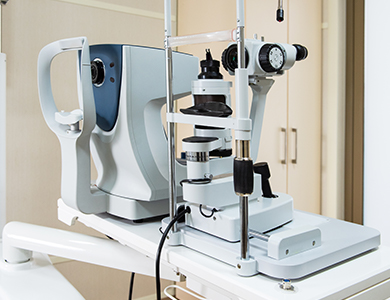
Standard vision screenings may not detect keratoconus in its early stages. Advanced diagnostic tools, such as corneal topography, create a detailed map of the cornea’s surface and can identify subtle shape changes before vision becomes severely affected.
At Texas State Optical Farmers Branch, comprehensive eye exams go beyond a basic prescription check. Early detection allows for timely treatment that can slow progression and protect your vision.
Treatment Options for Keratoconus
Treatment depends on the severity of the condition. In mild cases, glasses or soft contact lenses may provide adequate correction. As keratoconus progresses, specialty contact lenses - such as rigid gas permeable lenses or scleral lenses - can improve visual clarity by creating a smooth optical surface over the irregular cornea.
For progressive cases, corneal cross-linking may be recommended to strengthen corneal tissue and help prevent further bulging. In advanced situations, surgical options such as corneal implants or transplant may be considered. The key is early intervention. The sooner keratoconus is identified, the more treatment options are available.
Schedule Your Eye Exam Today
Keratoconus can develop quietly, with symptoms that mimic routine vision changes. Without proper testing, it is possible to have keratoconus and not realize it. Early diagnosis plays a critical role in preserving vision and preventing progression.
Schedule a comprehensive eye exam at Texas State Optical Farmers Branch to screen for keratoconus and protect your long-term vision. Visit our office in Farmers Branch, Texas, or call (972) 991-2020 to book an appointment today.
Quick Links
Helpful Articles
article_category: products
article_category: psychiatry
article_category: faqs
article_category: cats
article_category: general
article_category: services
article_category: technology
article_category: dogs
article_category: restorative
article_category: vision therapy
article_category: contact lenses
article_category: health
article_category: conditions
article_category: eye surgery co-management
article_category: exotic
article_category: cosmetic
article_category: surgical procedures
article_category: aesthetics
article_category: preventative
article_category: ocular disease management
article_category: eyeglasses
article_category: eye health
article_category: large animal
[]
article_category: psychiatry
article_category: faqs
article_category: cats
article_category: general
article_category: services
article_category: technology
article_category: dogs
article_category: restorative
article_category: vision therapy
article_category: contact lenses
article_category: health
article_category: conditions
article_category: eye surgery co-management
article_category: exotic
article_category: cosmetic
article_category: surgical procedures
article_category: aesthetics
article_category: preventative
article_category: ocular disease management
article_category: eyeglasses
article_category: eye health
article_category: large animal
[]
Flowbite is an open-source library of interactive components built on top of Tailwind CSS including buttons, dropdowns, modals, navbars, and more.
Check out this guide to learn how to get started and start developing websites even faster with components on top of Tailwind CSS.
All Eyecare Services
We offer a wide variety of eye care services to the Farmers Branch community. Contact us with any questions about our services.

Keep In Touch
For non-urgent questions or to learn more about our services, contact us today!

Contact Information
Office Hours
- Monday 9:00 AM - 5:00 PM
- Tuesday 9:00 AM - 5:00 PM
- Wednesday 9:00 AM - 2:00 PM
- Thursday 9:00 AM - 5:00 PM
- Friday 9:00 AM - 5:00 PM
- Saturday 9:00 AM - 2:00 PM
- Sunday Closed
- Monday 9:00am - 6:00pm
- Tuesday 9:00am - 6:00pm
- Wednesday 9:00am - 6:00pm
- Thursday 9:00am - 6:00pm
- Friday 9:00am - 6:00pm
- Saturday 10:00am - 2:00pm
- Sunday Closed
- Monday 8:00am - 5:00pm
- Tuesday
- Wednesday
- Thursday
- Friday
- Saturday
- Sunday
© 2026 Texas State Optical Farmers Branch. All rights Reserved - Accessibility Statement - Privacy Policy - Sitemap
Managed and Designed by 