


Visual-Field Testing in Pediatric Patients: Techniques, Challenges, and Benefits
Blog:Visual-Field Testing in Pediatric Patients: Techniques, Challenges, and Benefits

Visual-Field Testing in Pediatric Patients: Techniques, Challenges, and Benefits
Why Visual-Field Testing Matters For Children
Visual-field testing helps us understand how well a child can see in the full range of their vision, not just straight ahead. While many eye exams focus on clarity and prescription needs, visual-field testing looks at peripheral vision and can help detect concerns that may affect safety, learning, reading, sports, and daily activities.
At Texas State Optical Farmers Branch, we use this testing when a child’s symptoms, medical history, or exam findings suggest that a closer look at their field of vision may be needed.
What Visual-Field Testing Measures
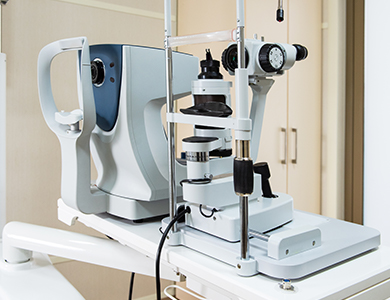
A visual-field test measures how much a child can see above, below, and to each side while looking forward. It can reveal blind spots, reduced side vision, or changes in how the eyes and brain process visual information.
For pediatric patients, this can be especially helpful when monitoring conditions related to the optic nerve, retina, neurological health, or unexplained vision complaints. It may also support care for children who report bumping into objects, losing their place while reading, or struggling with certain visual tasks.
Techniques We May Use For Pediatric Patients
Visual-field testing for children must be age-appropriate and easy to follow. Depending on the child’s age, attention span, and reason for testing, we may use different techniques to help gather reliable results.
Common approaches may include:
- Confrontation testing during the exam
- Automated visual-field testing with light targets
- Simplified instructions and practice runs
- Breaks during testing when needed
- Repeating results over time to look for patterns
Our goal is to make the process as comfortable and understandable as possible while still collecting meaningful information.
Common Challenges With Children
Children may find visual-field testing challenging because it requires focus, patience, and consistent responses. Some tests ask the child to look straight ahead while clicking a button when they see a light appear, which can be difficult for younger patients.
Fatigue, distraction, nervousness, or misunderstanding instructions can affect the results. That is why we take time to explain the process in a calm, simple way. In some cases, one test may not give us the full picture, so follow-up testing may be recommended to confirm findings.
Benefits Of Early Detection
The biggest benefit of visual-field testing is that it can help identify concerns before they become more noticeable. Some vision problems develop gradually, and children may not know how to explain what they are experiencing.
When we detect visual-field changes early, we can monitor the condition more closely, recommend additional testing if needed, or coordinate care with other providers. This helps families make informed decisions and gives children better support for school, sports, and daily life.
When A Child May Need Visual-Field Testing
Not every child needs visual-field testing during a routine pediatric eye exam. We may recommend it if there are specific symptoms, risk factors, or exam findings that need closer evaluation.
Parents should let us know if their child has frequent headaches, trouble navigating spaces, difficulty with reading, unexplained vision changes, a history of eye disease, or neurological concerns. The more we understand about a child’s symptoms and health history, the better we can tailor their eye care.
Contact Texas State Optical Farmers Branch in Farmers Branch, TX by calling (972) 991-2020 to schedule a pediatric eye exam and learn whether visual-field testing may be helpful for your child.
Quick Links
Helpful Articles
article_category: products
article_category: psychiatry
article_category: faqs
article_category: cats
article_category: general
article_category: services
article_category: technology
article_category: dogs
article_category: restorative
article_category: vision therapy
article_category: contact lenses
article_category: health
article_category: conditions
article_category: eye surgery co-management
article_category: exotic
article_category: cosmetic
article_category: surgical procedures
article_category: aesthetics
article_category: preventative
article_category: ocular disease management
article_category: eyeglasses
article_category: eye health
article_category: large animal
[]
article_category: psychiatry
article_category: faqs
article_category: cats
article_category: general
article_category: services
article_category: technology
article_category: dogs
article_category: restorative
article_category: vision therapy
article_category: contact lenses
article_category: health
article_category: conditions
article_category: eye surgery co-management
article_category: exotic
article_category: cosmetic
article_category: surgical procedures
article_category: aesthetics
article_category: preventative
article_category: ocular disease management
article_category: eyeglasses
article_category: eye health
article_category: large animal
[]
Flowbite is an open-source library of interactive components built on top of Tailwind CSS including buttons, dropdowns, modals, navbars, and more.
Check out this guide to learn how to get started and start developing websites even faster with components on top of Tailwind CSS.
All Eyecare Services
We offer a wide variety of eye care services to the Farmers Branch community. Contact us with any questions about our services.

Keep In Touch
For non-urgent questions or to learn more about our services, contact us today!

Contact Information
Office Hours
- Monday 9:00 AM - 5:00 PM
- Tuesday 9:00 AM - 5:00 PM
- Wednesday 9:00 AM - 2:00 PM
- Thursday 9:00 AM - 5:00 PM
- Friday 9:00 AM - 5:00 PM
- Saturday 9:00 AM - 2:00 PM
- Sunday Closed
- Monday 9:00am - 6:00pm
- Tuesday 9:00am - 6:00pm
- Wednesday 9:00am - 6:00pm
- Thursday 9:00am - 6:00pm
- Friday 9:00am - 6:00pm
- Saturday 10:00am - 2:00pm
- Sunday Closed
- Monday 8:00am - 5:00pm
- Tuesday
- Wednesday
- Thursday
- Friday
- Saturday
- Sunday
© 2026 Texas State Optical Farmers Branch. All rights Reserved - Accessibility Statement - Privacy Policy - Sitemap
Managed and Designed by 